



To pronounce Om Mani Padme Hum correctly, the most accurate Sanskrit method is “Om MAH-nee PAHD-meh HOOM”, while the traditional Tibetan lineage vocalizes it as “Om MAH-nee PE-meh HUNG”. We suggest starting with the version that resonates most with your personal lineage or spiritual intuition, as both carry profound blessings.
Quick Preparation Summary:
- ✨ Tools: 108-bead Mala (Sandalwood or Bodhi), meditation cushion, and a quiet space.
- 🕯️ Environment: Clean the area physically and energetically before beginning.
- 🧭 Posture: Sit with a straight spine to allow vibrational travel.
- 🛡️ Intent: Cultivate Bodhicitta (菩提心) to benefit all sentient beings.
At our Buddha Bodhis studio, we view the precise vocalization of these syllables as more than just linguistics. It is a spiritual technology designed to trigger specific resonant vibrations that align the practitioner with the universal compassion of Avalokiteshvara (观音菩萨). By mastering the sound, you effectively tune your body and mind to a higher frequency of peace.
Preparation: Setting the Intent for Compassion
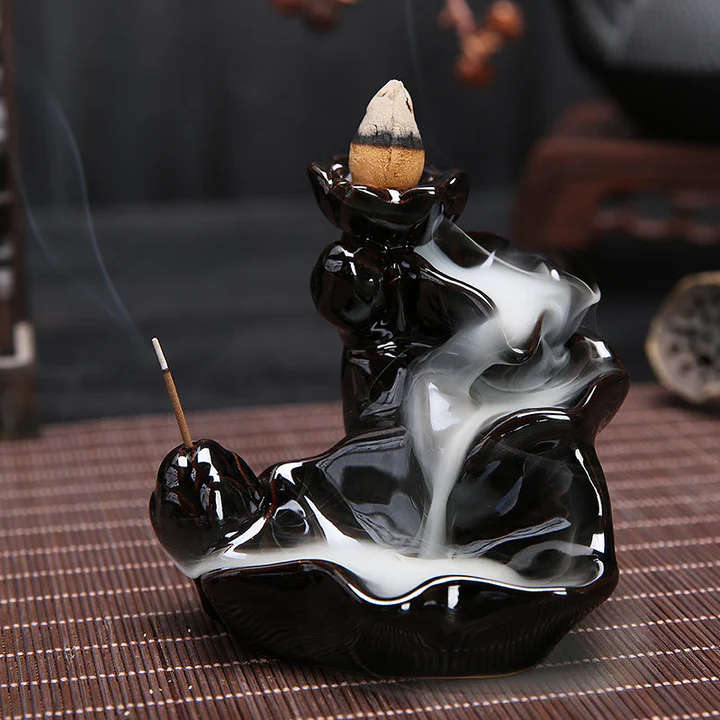
Before you utter a single sound, you must prepare your external and internal environment. In our experience, the resonance of a mantra is often dampened by stagnant energy in a cluttered room. We always recommend performing a quick physical cleaning and lighting a small stick of incense to signify the shift from worldly life to sacred practice.
Essential Tools for Practice
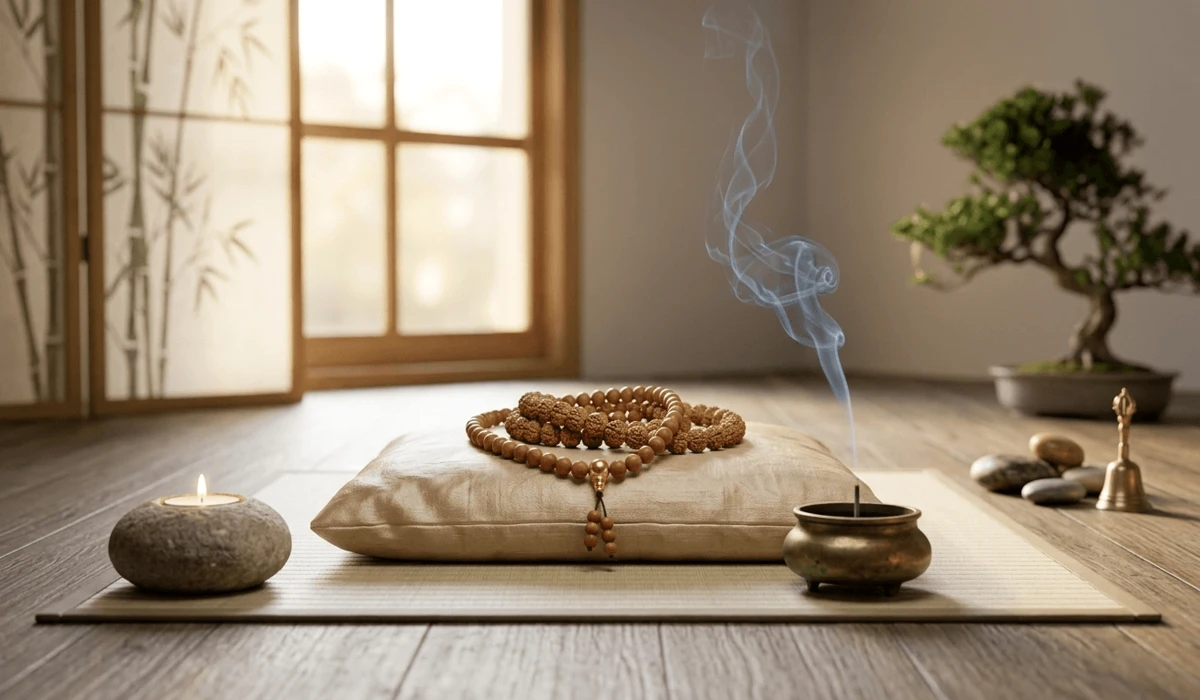
To facilitate a deep state of concentration, certain tools are highly beneficial. Having a dedicated space helps the brain recognize when it is time to enter a meditative state. We recommend the following items for your daily ritual:
- A high-quality 108-bead Mala made of Sandalwood, Bodhi seed, or Crystal.
- A comfortable cushion or zafu to ensure your spine remains upright and relaxed.
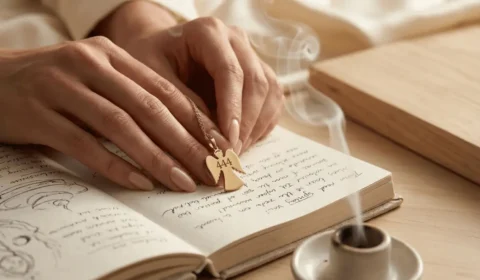
- A clean, elevated surface for any sacred jewelry or mantra transcripts.
- Natural morning light or soft candlelight to create a tranquil atmosphere.
Using these tools creates a physical anchor for your spiritual work. You can explore our Om Mani Padme Hum Collection to find handcrafted items that support your chanting practice.
The Power of Bodhicitta
The most important part of preparation is establishing your “why,” known in the tradition as Bodhicitta. Reciting the mantra without the altruistic intention to benefit others reduces the sacred syllables to mere noise. We suggest taking three deep breaths and silently dedicating your upcoming practice to the relief of suffering for all beings.
Step-by-Step Guide: Mastering the Six Syllables
Mastering the Six True Words (六字真言) requires a combination of physical posture, phonetic accuracy, and breath control. Follow these steps to ensure your practice is both technically correct and spiritually potent. Consistency is the key to unlocking the deeper layers of this ancient wisdom.
Preparing Your Space and Physical Posture
- Find a quiet location where you will not be interrupted for at least ten minutes.
- Sit in a comfortable cross-legged position or on a chair with your feet flat on the floor.
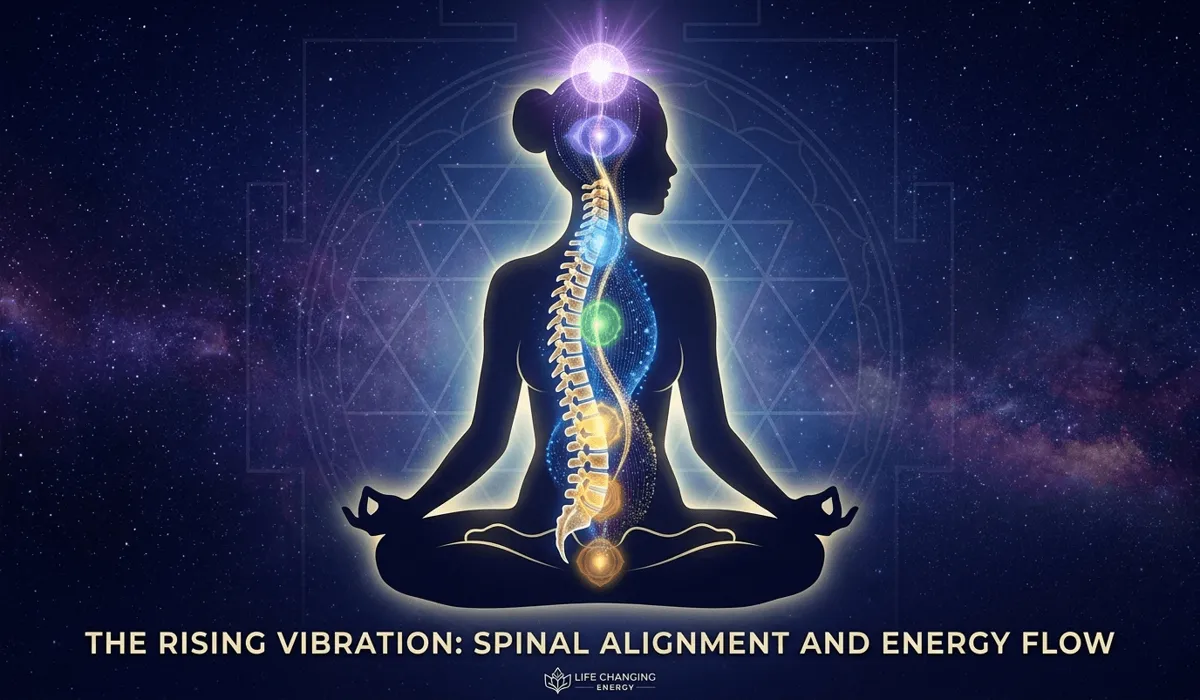
- Align your spine like a string of pearls, allowing Chi (气) to flow freely from your base to your crown.
- Rest your hands in the Dhyana Mudra (禅定印) or hold your mala at heart level.
Breaking Down the Six Syllables Phonetically
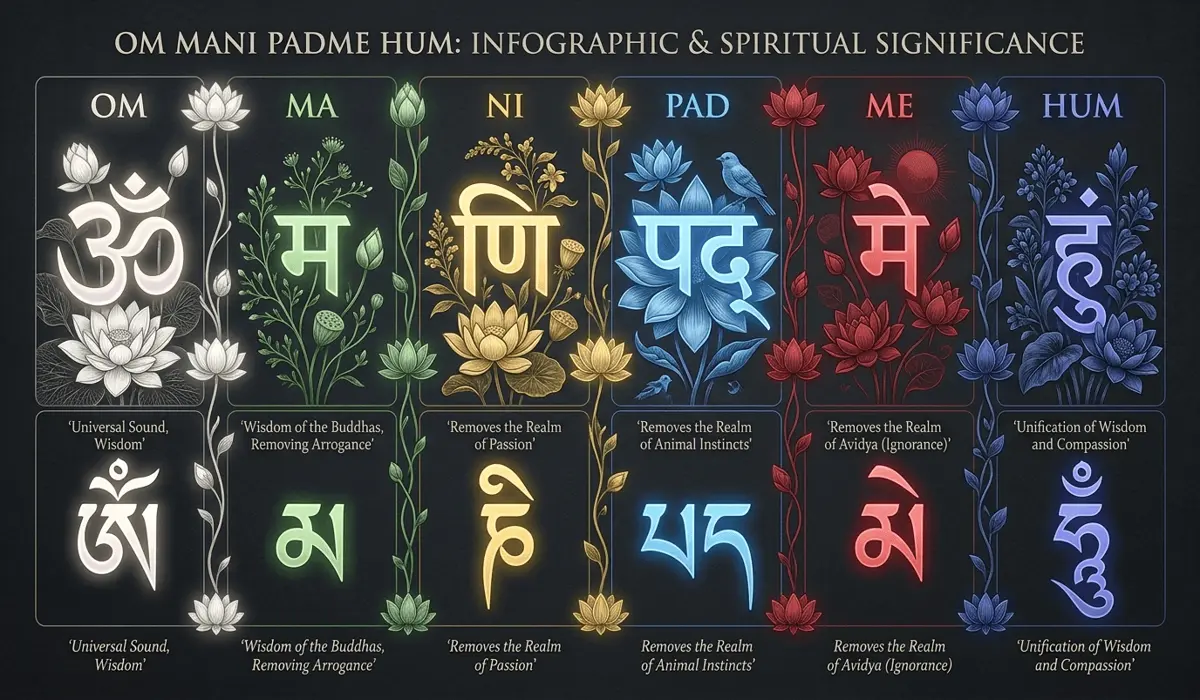
To help our clients master the sounds, we break the mantra into its core components. Each syllable should be pronounced clearly without rushing the transitions. Pay close attention to the mouth shape and where the tongue hits the roof of the mouth for the best results.
- OM: Pronounced as A-U-M, starting with an open “O” and closing with a nasal “M” that vibrates in the skull.
- MA: A short, sharp “MAH” sound, like the first syllable of “mother.”
- NI: A high-frequency “NEE” sound; in Sanskrit, the “N” involves a subtle tongue-click.
- PAD: In Sanskrit, it is “PAHD” (rhymes with ‘bud’), but in Tibetan, it is simplified to “PE.”
- ME: A soft “MEH” or “MAY” sound that flows naturally from the previous syllable.
- HUM: The deep closing resonance; use “HOOM” for Sanskrit (chest vibration) or “HUNG” for Tibetan (throat vibration).
Each of these sounds targets a specific energetic meridian within the body. If you are new to this, you might find Your Chinese Astrology helpful for understanding the broader cultural context of these phonetic vibrations.
Understanding the Vocal Resonance and Breath Flow
Effective chanting comes from the diaphragm rather than the throat. When you chant from the belly, you can sustain longer recitations without straining your voice. As you exhale the sounds, feel the vibration move upward from your navel through your heart and finally out through your crown.
Coordinating Recitation with Visualizations
Visualizing specific colors can purify the six realms of existence during your practice. As you recite “Om,” imagine a brilliant white light, and for “Hum,” focus on a deep blue or indigo glow. This mental focus prevents the mind from wandering toward daily stresses or anxieties.
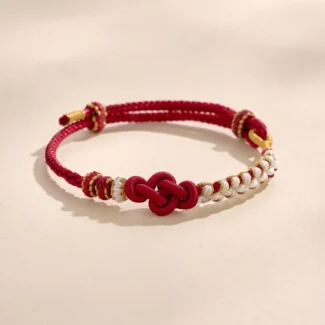
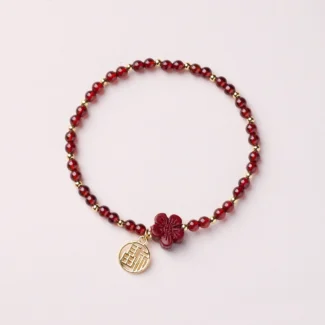
Many practitioners find it helpful to wear symbolic jewelry to maintain this focus throughout the day. For example, a Feng Shui Bracelet can serve as a constant reminder of your spiritual intentions and the vibrations you cultivate during meditation.

Integrating the Mala for Rhythmic Consistency
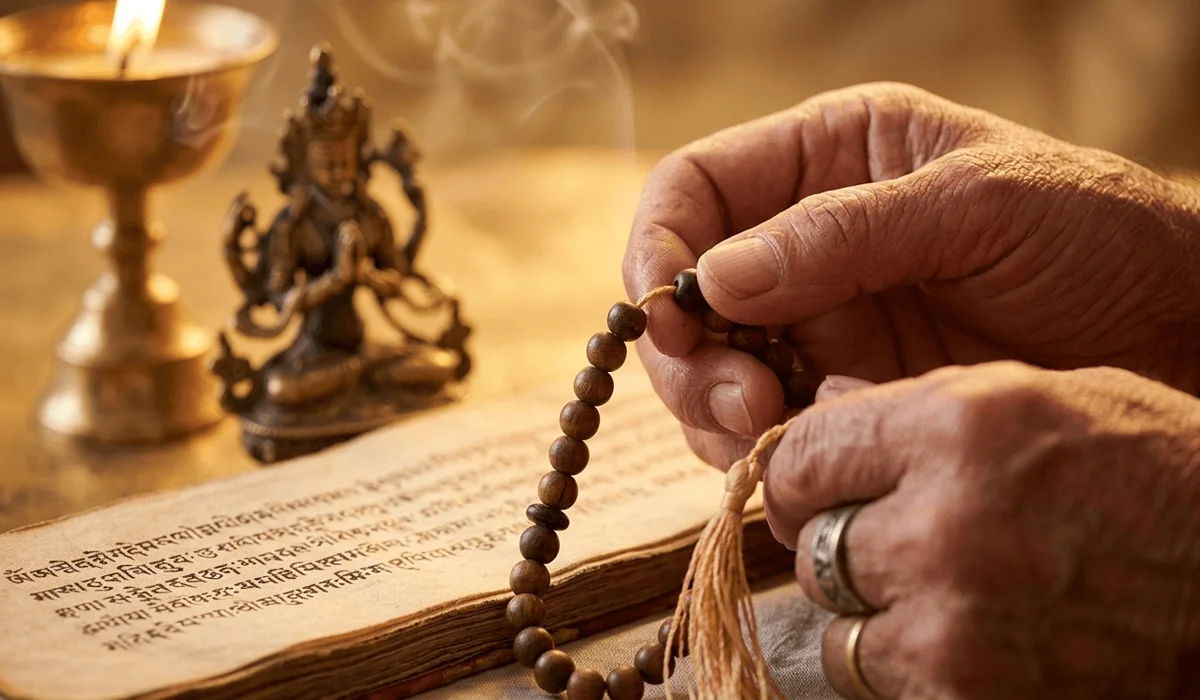
Using a mala helps maintain a steady, meditative tempo. For every complete recitation of the mantra, pull one bead toward you using your thumb and middle finger. This tactile action grounds the practice and prevents you from “clipping” the sounds or rushing through the cycle.
Closing the Practice and Dedicating Merit
After you reach the final bead of your mala, do not immediately stand up. Sit in silence for at least one minute to absorb the residual vibrations of the Hum or Hung. Finally, mentally dedicate the merit of your practice to the enlightenment and happiness of all beings everywhere.
The Logic of Sanskrit vs. Tibetan Pronunciation
A common question we hear at Buddha Bodhis is why the Tibetan version sounds so different from the Sanskrit original. This shift occurred because of regional dialects in Tibet, where “Padme” naturally evolved into “Peme.” Despite this change, the mantra remains effective because of the “blessing power” of the Tibetan lineage.
Sanskrit is a phonetic language where the sound is the “seed” of the object itself. Precise Sanskrit pronunciation is often favored for its ability to target specific energetic meridians. However, the Buddha-nature within accepts a sincere heart even if your tongue falters during the more complex syllables.
Video source: YouTube
Author: YoWangdu Experience Tibet
Original video link: https://www.youtube.com/watch?v=pvhl-07qw-g
If you are interested in how ancient traditions are researched today, you might explore the Joey Yap Research materials on metaphysical systems. Understanding the history of these sounds adds a layer of intellectual depth to your spiritual practice.
Key Taboos and Chanting Restrictions
In our years of guiding ceremonies, we have identified several Taboos (禁忌) that every practitioner should respect. Proper etiquette ensures that the energy you cultivate remains pure and that you do not inadvertently create negative karma through disrespect. Following these rules shows reverence for the thousands of years of tradition behind the mantra.
Critical Chanting Warnings:
- ⚠️ Mindset: Never chant while feeling intense anger or using the mantra for selfish ego-gain.
- ⚠️ Placement: Do not place mantra texts, sacred objects, or malas on the floor or in bathrooms.
- ⚠️ Respect: Never step over a mala or any sacred item used during your ritual.
- ⚠️ Lazy Speech: Avoid “clipping” the final sounds; incomplete vibrations lead to incomplete energetic circuits.
We also remind our community that the mantra should never be used to harm others or seek worldly fame. Using such a powerful spiritual tool for low-vibration goals is a significant misuse of the practice. Always keep your intention focused on compassion and the greater good.
Maintenance: When to Refresh Your Practice
If the mantra begins to feel “flat” or if you notice a decrease in your natural compassion, it may be time to re-purify your space. Stagnant energy can build up over time, even in a dedicated meditation corner. A deep clean and the use of Sandalwood (檀香) incense can help reset the environment.
Your mala also requires maintenance. If it feels heavy or has been handled by many people, cleanse it by passing it through sacred smoke. Traditional wisdom suggests that every 100,000 recitations serves as a milestone where a practitioner should take a short “re-alignment” retreat to maintain the “warmth” of the practice. The same principle of respect and regular cleansing applies to other sacred objects as well. You can learn more about caring for spiritual items in our guide to Tai Sui Amulet placement and care.
For further historical information on the origins of Buddhist mantras, Wikipedia provides a comprehensive overview of the linguistics involved. Maintaining an active curiosity about the history of your practice keeps your mind engaged and respectful of the tradition.
Frequently Asked Questions
Q: Can I chant the mantra without a formal Guru or initiation?
A: Yes, it is a universal mantra of compassion that is open to everyone regardless of their background or formal training.
Q: Is it okay to chant the mantra while doing daily chores?
A: Yes, you can recite it while walking or working, but the spiritual efficacy is highest when you are seated in focused meditation.
Q: What should I do if I mispronounce a syllable during a mala cycle?
A: There is no need to restart the entire cycle; simply acknowledge the slip and continue with your next recitation with mindful focus.
Q: Why do I feel tingly or lightheaded when chanting?
A: This is a common sign of vibrational alignment and energy movement; ensure your breathing is deep, rhythmic, and not too shallow.
Conclusion: Integrating the Mantra into Your Daily Life
The ultimate goal of learning the correct pronunciation is to turn the mantra into a living sound that accompanies your every breath. When the sounds of Om Mani Padme Hum become second nature, the heart of compassion begins to beat in sync with your daily actions. We encourage you to start small, perhaps with just one mala cycle a day, and watch how your internal energy shifts toward peace and clarity.
This content is provided for informational and cultural exchange purposes only. It does not constitute medical, legal, financial, or other professional advice. Readers should consult with qualified professionals for specific guidance regarding their personal health or spiritual practices.
Written by the Buddha Bodhis Team
Since 2020, we have been devoted to exploring traditional year-based wisdom, classical Feng Shui principles, and the rich spiritual symbolism rooted in Eastern cultural heritage. Our work bridges ancient metaphysical systems with modern life, interpreting annual cycles, elemental energies, and symbolic meanings to offer thoughtful insight and practical guidance. Through continuous research and practice, we aim to preserve traditional knowledge while making it accessible, relevant, and meaningful for contemporary seekers of balance, intention, and personal growth.
TikTok | YouTube | Pinterest | X
buddhabodhis@gmail.com